


The Freedom Way: From Velvet and Baltic to Ukraine’s Bloody Struggle
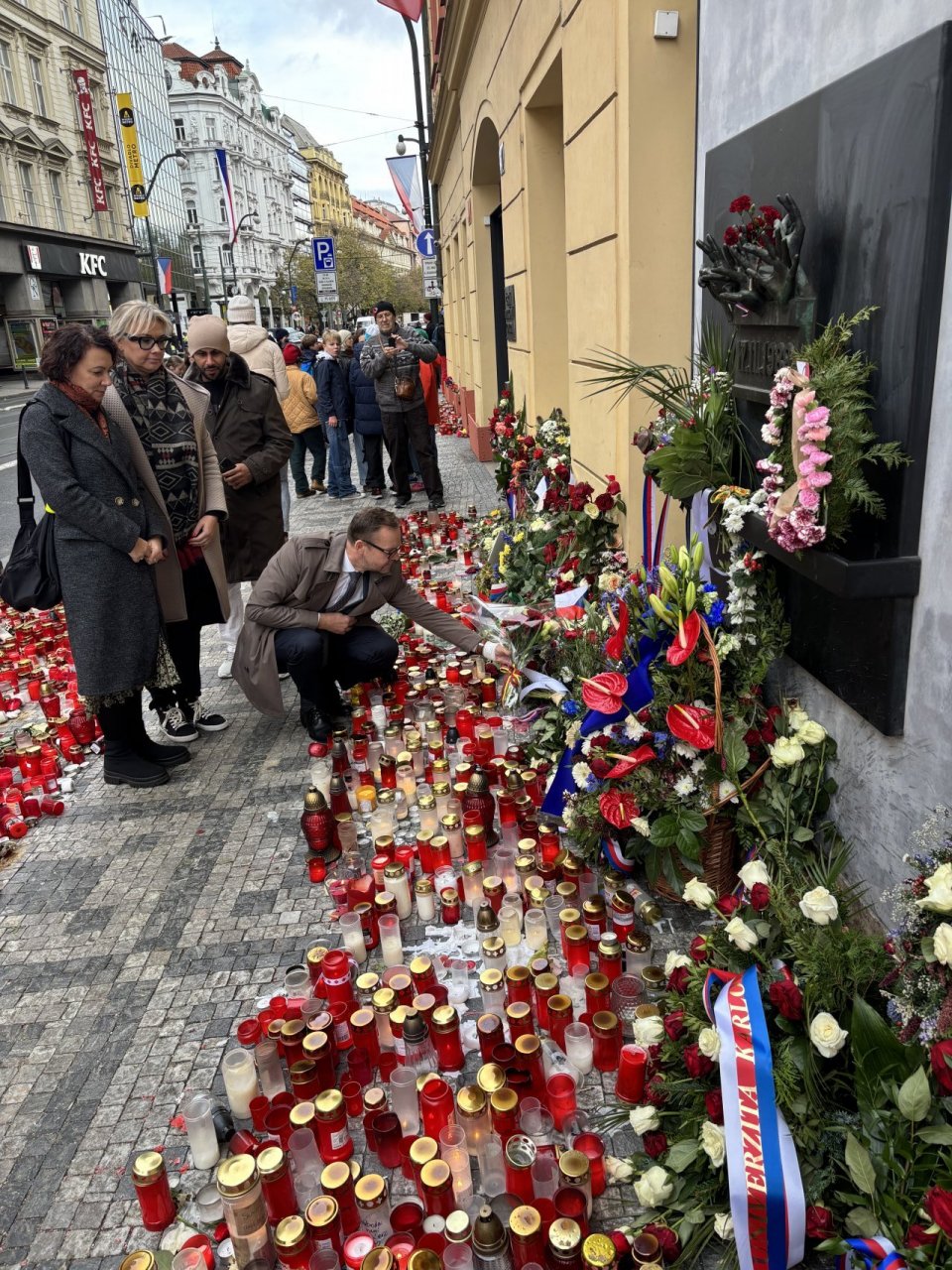
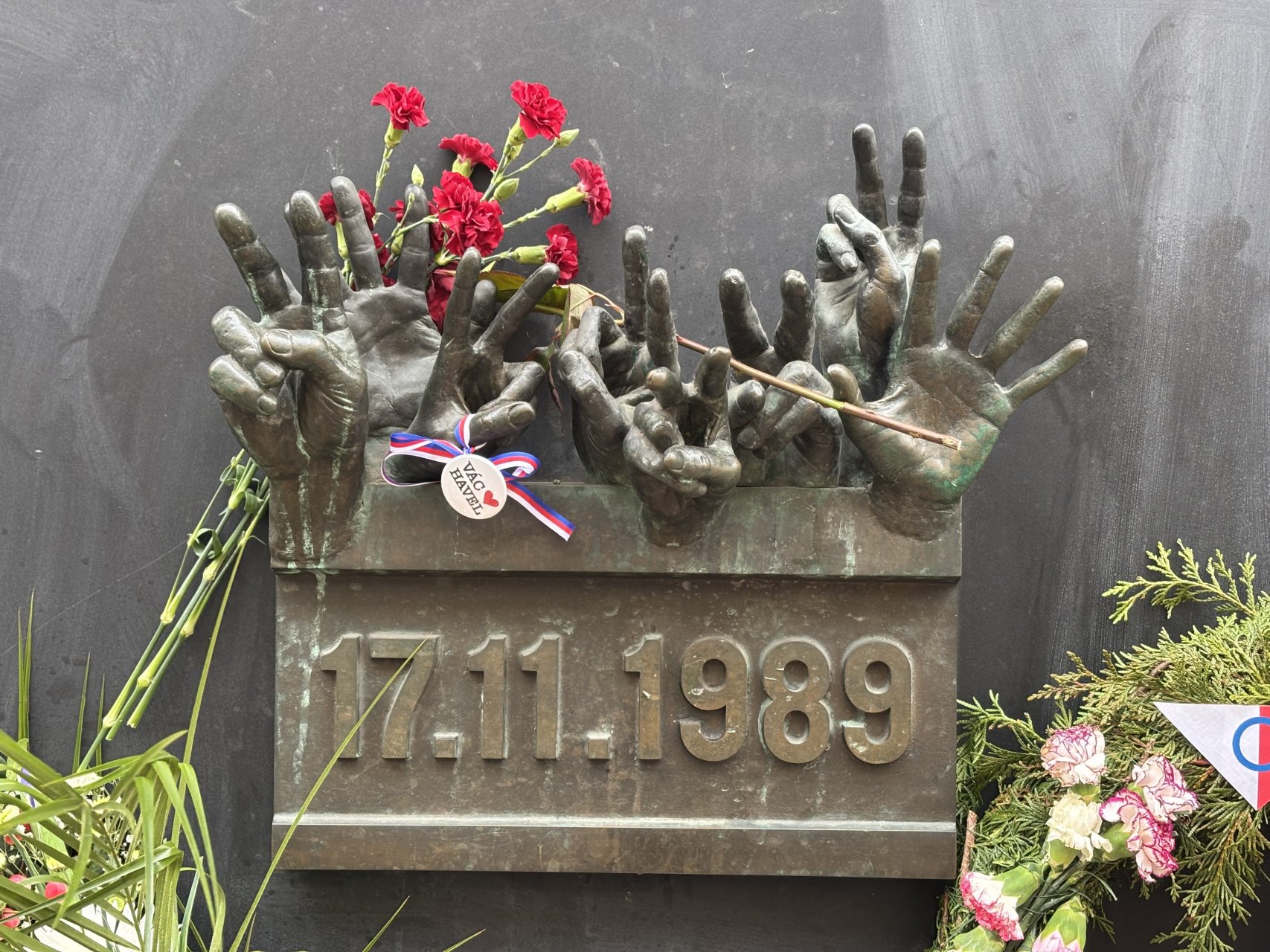
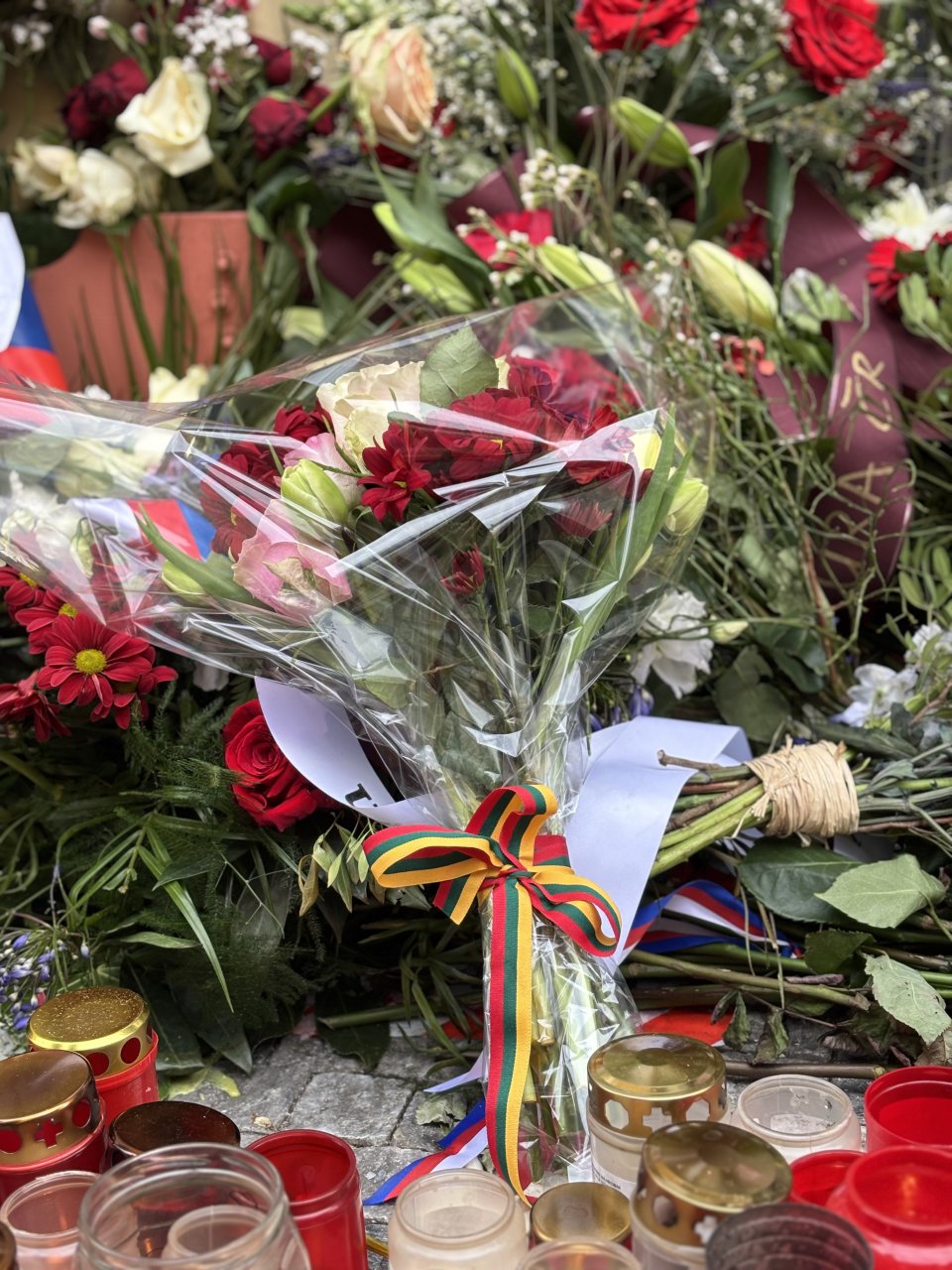
As Czechia commemorates the 35th anniversary of the Velvet Revolution, memories of that era—including the Baltic Way, which shares this anniversary—come to mind, along with the sense of youthful idealism that fueled these movements. These movements shaped our countries then, hold meaning now, and shed light on Ukraine's ongoing fight for freedom.
At 17, I was an eager teenager in Klaipėda, swept up by Lithuania’s Awakening. The spirit of change struck me in the summer of 1988, echoing Jefferson’s idea that “every generation needs its own revolution.” I vividly remember the first sight of Lithuanian tricolors raised at the Gaudeamus Baltic Student Festival in Vilnius, broadcast live on TV—flags once hidden in attics now filling our streets, symbols of a quiet revolution stepping boldly into the light. From that moment, I joined every gathering in Klaipėda and later in Vilnius, following the democratic waves spreading across Central and Eastern Europe with hope and urgency.
I remember how eagerly Lithuanians followed news of democratization in other countries, knowing these movements were closely intertwined: if one succeeded, others might too—and the reverse was just as true. Yet, in the early days, news from Czechoslovakia was scarce.
This was not from lack of interest. Czechoslovakia held a special place in Lithuanian minds, perhaps because our ties reached back to the Middle Ages or because the pre-war generation remembered a period of close relations. More recently, Prague’s 1968 stood vivid in memory—hopes crushed under Soviet tanks, a painful moment we discussed in whispers. That memory resurfaced in 1972, when Romas Kalanta, a Lithuanian, followed Jan Palach’s example, sparking a wave of civil disobedience that reverberated across Lithuania. For Lithuanians, Czechoslovakia was also one of the few destinations we could occasionally visit if we managed to secure travel permits. I still recall the postcard my father brought back from Prague, proudly displayed behind the mirror at home.
I distinctly remember the first time I read Czechoslovakia's name in the context of democratic uprisings. It was the spring of 1989, when news arrived that Václav Havel had been imprisoned, prompting the Lithuanian Writers’ Union to appeal for his release. After that, news from Czechoslovakia came sporadically: East Germans flowing through Prague to Austria, and crowds besieging the West German embassy in Prague.
Meanwhile, Lithuania’s own Awakening—the Singing Revolution—was reaching its peak, with the Baltic Way as its most powerful symbol. I knew I had to be there. I stood in the Baltic Way, a human chain stretching from Vilnius to Riga to Tallinn, with nearly two million people holding hands in solidarity. It wasn’t just a symbolic line; it was a current, a pulse. I could feel energy passing from one person to the next, carrying our shared hope for freedom. We were ordinary people, but that day, we knew we were part of something monumental.
Later, in my diplomatic career, wherever I was posted, I was always curious about how the Baltic Way was covered in the local media. I often thought how, had we had smartphones at the time, the Baltic Way—or, in the Czech case, the Velvet Revolution—would have been a massive trend on social media. Unfortunately, we didn't have that technology, and we relied on the news feeds available to us at the time.
In writing this op-ed, I sought to understand how the Baltic Way was covered in Czechoslovakia, but found little information. Some studies suggest that the Czechoslovak government at the time actively restricted information about events in the Baltic states, hoping to prevent a similar democratic momentum from taking hold in their own region. In an interview on August 9, 1989, Václav Havel admitted to a Lithuanian journalist that he knew very little about Lithuania’s Awakening beyond what he could read in foreign press. In fact, the Czechoslovak dissident Alexander Vondra, a member of Charter 77 and close to Havel, helped spread awareness of our movement. After visiting Lithuania in 1988, he wrote that he was stunned to witness such freedom—a peaceful demonstration going unchallenged by the police. It was a striking contrast to the stagnant, tightly controlled atmosphere still lingering in Czechoslovakia after the Soviet-led invasion of 1968.
In Lithuania, many of us felt it was only a matter of time before Czechoslovakia would rise. When the Velvet Revolution began, it was met with great enthusiasm here, although it was perhaps slightly overshadowed by the fall of the Berlin Wall just two weeks earlier. In Václav Havel and the Velvet Uprising in Prague, we saw natural allies. It's no surprise that the first foreign visit by Lithuania’s current leader, Vytautas Landsbergis, was to Prague, at Havel’s invitation. While we had to wait 15 more months for Czechoslovakia’s formal recognition of Lithuania’s independence, the memory of 1968, the Velvet Revolution, and those first steps in international diplomacy left a deep mark in Lithuania.
For me, Prague was also one of the first capitals I had the chance to visit. It was the summer of 1991, during my first trip to the West, on my way back from a scouts camp in France. With no money to spare, I spent the night on a bench in a Prague park, heating up a French army ration on a small fuel tablet for breakfast. Little did I imagine that, in 2024, I would have the honor of representing Lithuania as an ambassador in Prague.
Today, as members of the EU and NATO, our nations are writing a new chapter in our shared history—one that reaches further and runs deeper than ever before. I am deeply privileged to be part of this endeavor. But as we mark the 35th anniversary, it’s important to remember that without the Velvet Revolution and the Baltic Way, this partnership would not exist.
Now, Ukraine stands for the same values we, Lithuanians and Czechs, fought for 35 years ago: freedom, self-determination, and dignity. But unlike our peaceful revolutions, Ukraine’s struggle is far from velvet—it is a bloody fight for survival. The Soviet empire and its satellite regimes crumbled under the weight of a series of uprisings across Central and Eastern Europe in just a few years. Today, Ukrainians stand alone in this battle.
The lesson is clear: only by standing together, as we did 35 years ago, can we ensure that the spirit which changed Europe will continue to defend democracy for future generations.


