


Screening of “The Mammoth Hunt” in Prague Opens Dialogue on Resistance and Artistic Freedom
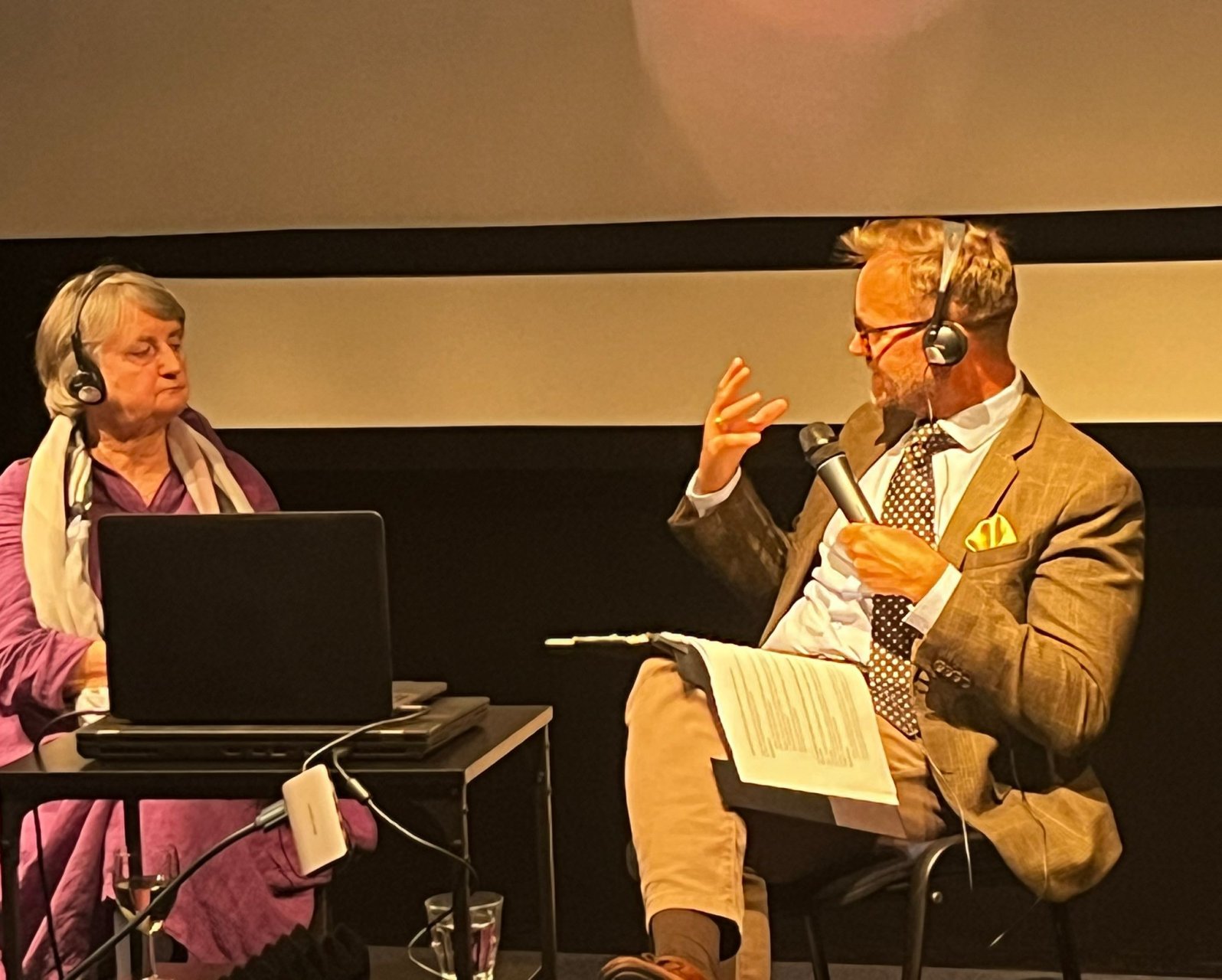
On September 9, the Embassy of Lithuania in Prague, together with the Václav Havel Library, hosted a screening of director Aistė Stonytė’s documentary “The Mammoth Hunt”, followed by a discussion on “Artistic Freedom in an Unfree Europe”. The discussion featured the filmmaker Aistė Stonytė, who joined online, and Anna Freimanová, long-time collaborator of President Václav Havel and a leading scholar of his work.
“Today it is vital to ask how art under Soviet occupation became a form of resistance, and what the cost of creative courage was for figures such as Jonas Jurašas and Václav Havel. These questions matter not only for history, but also for our present — forgetting the past opens the door to new threats. The war against Ukraine is a stark reminder of this,” said Lithuanian Ambassador to the Czech Republic Rolandas Kačinskas, who moderated the evening.
“The Mammoth Hunt” tells the story of director Jonas Jurašas’ legendary 1968 play that was banned by the Soviet regime. Against this backdrop, Stonytė explores human drama under repression and reflects on the enduring value of artistic truth and freedom. In 2024, the film was awarded Lithuania’s national film prize, the Silver Crane, in the Best Documentary category.
In the discussion, Ambassador Kačinskas noted that Jurašas’ fate reminds both Lithuanians and Czechs of a common truth: in times of oppression, art becomes both a mirror and, at times, a hammer.
“Especially today, the moral courage of figures such as Jurašas and Havel – their belief that even truths whispered quietly can overcome fear – is more important than ever,” he stressed. Jurašas’ artistic defiance, which led to his exile, and Havel’s persistent dissident struggle against communist ideology became key forces in their nations’ eventual restoration of freedom, albeit at great personal cost.
Themes of censorship, personal responsibility, and guilt resonated throughout the discussion. Freimanová shared memories of Czech theatre in the 1970s and 1980s, spoke about the roots of Havel’s political philosophy, and linked them to his experience as a banned playwright. Both she and Stonytė also reflected on the modern-day challenges to creative freedom and the constraints artists continue to face.
The event was organized by the Lithuanian Embassy in cooperation with Edison Filmhub in Prague, with support from Lithuanian film company Studio Nominum. It drew an audience of Czech cultural and academic figures, members of the diplomatic corps, the Lithuanian community in Prague, and cinema enthusiasts.


