


Meeting at the Embassy Raised Topics of Resistance to Military Aggression and Totalitarianism, and Preservation of Historical Memory
Updated 2026-06-10
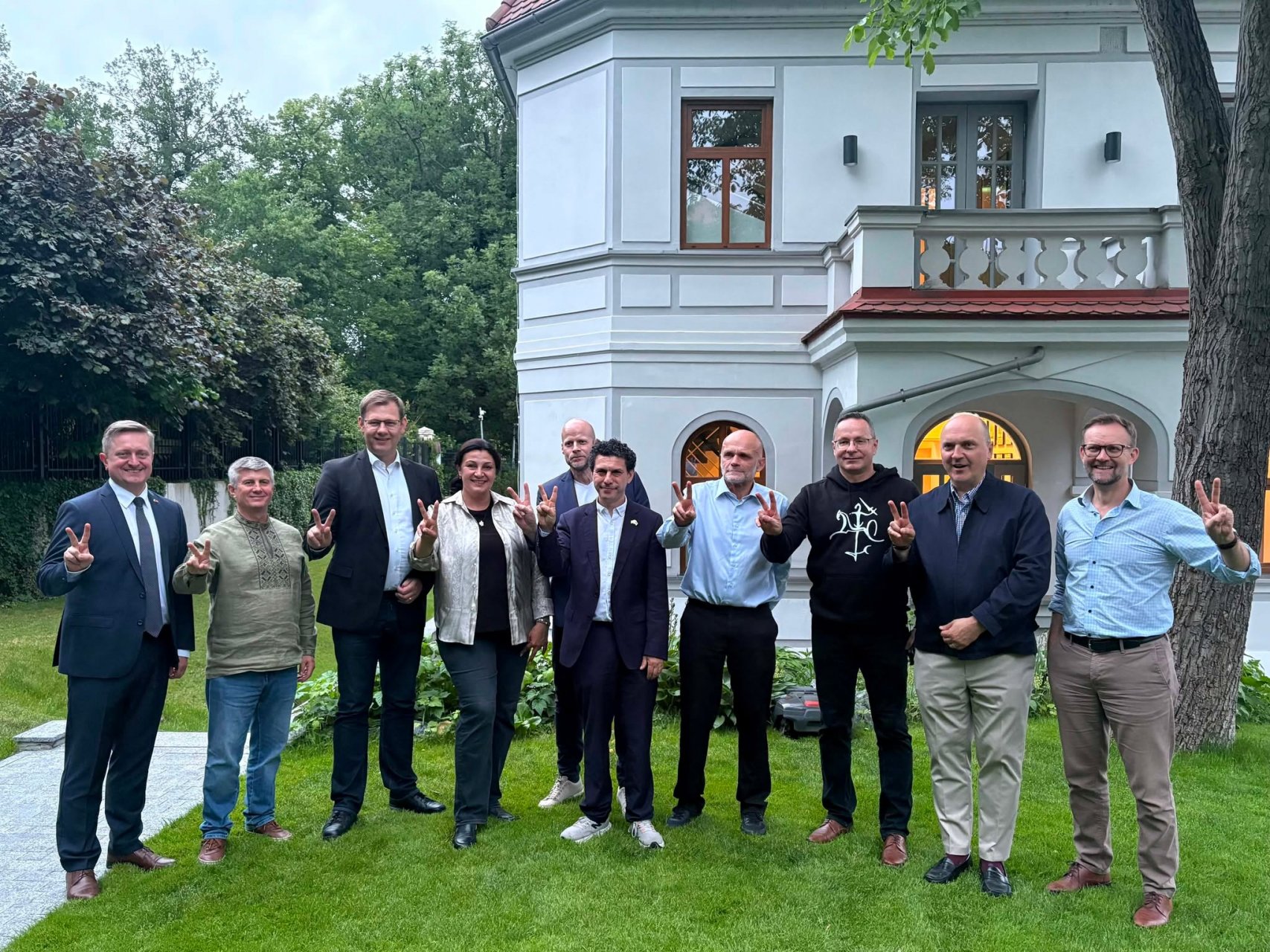
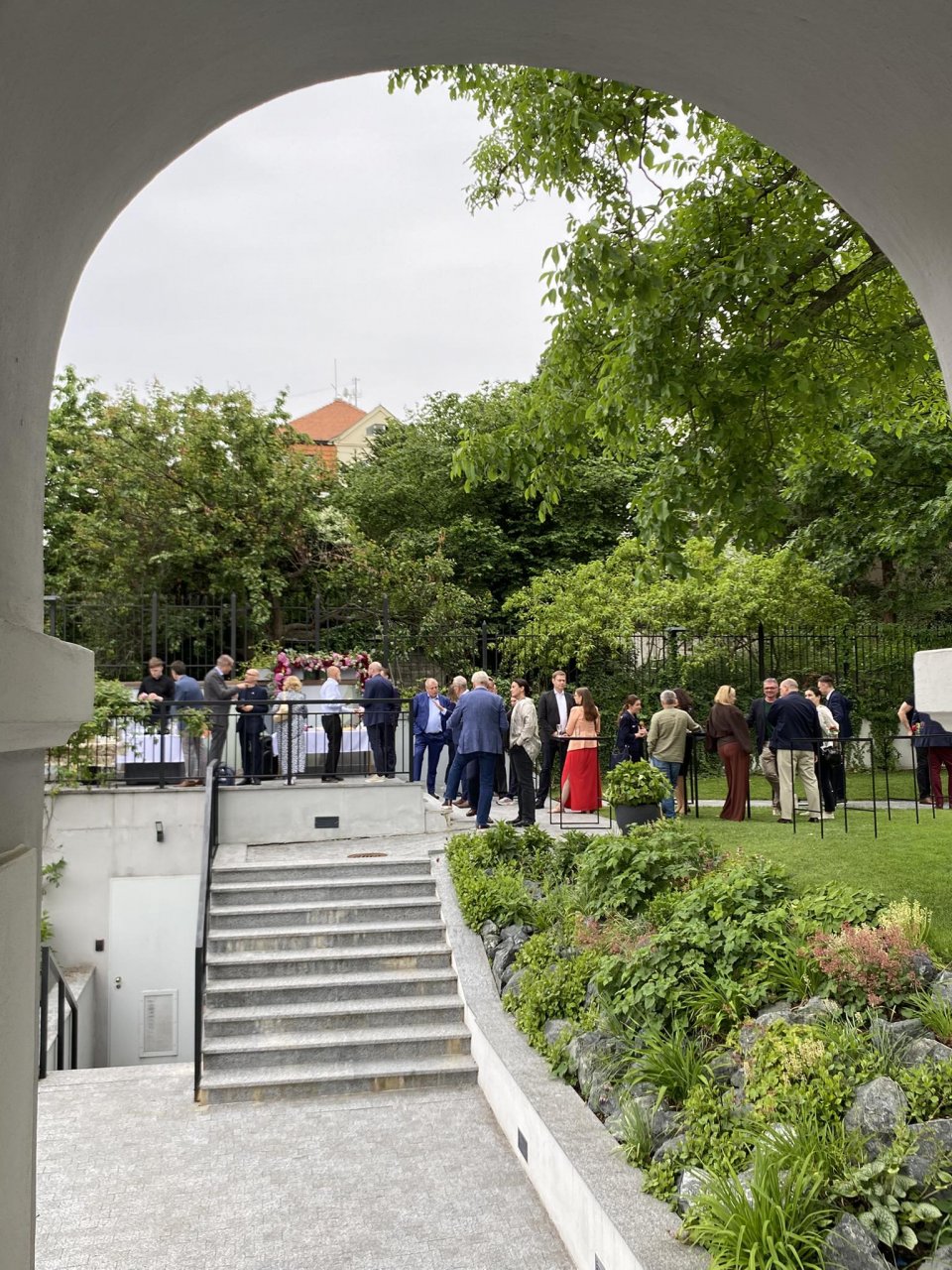
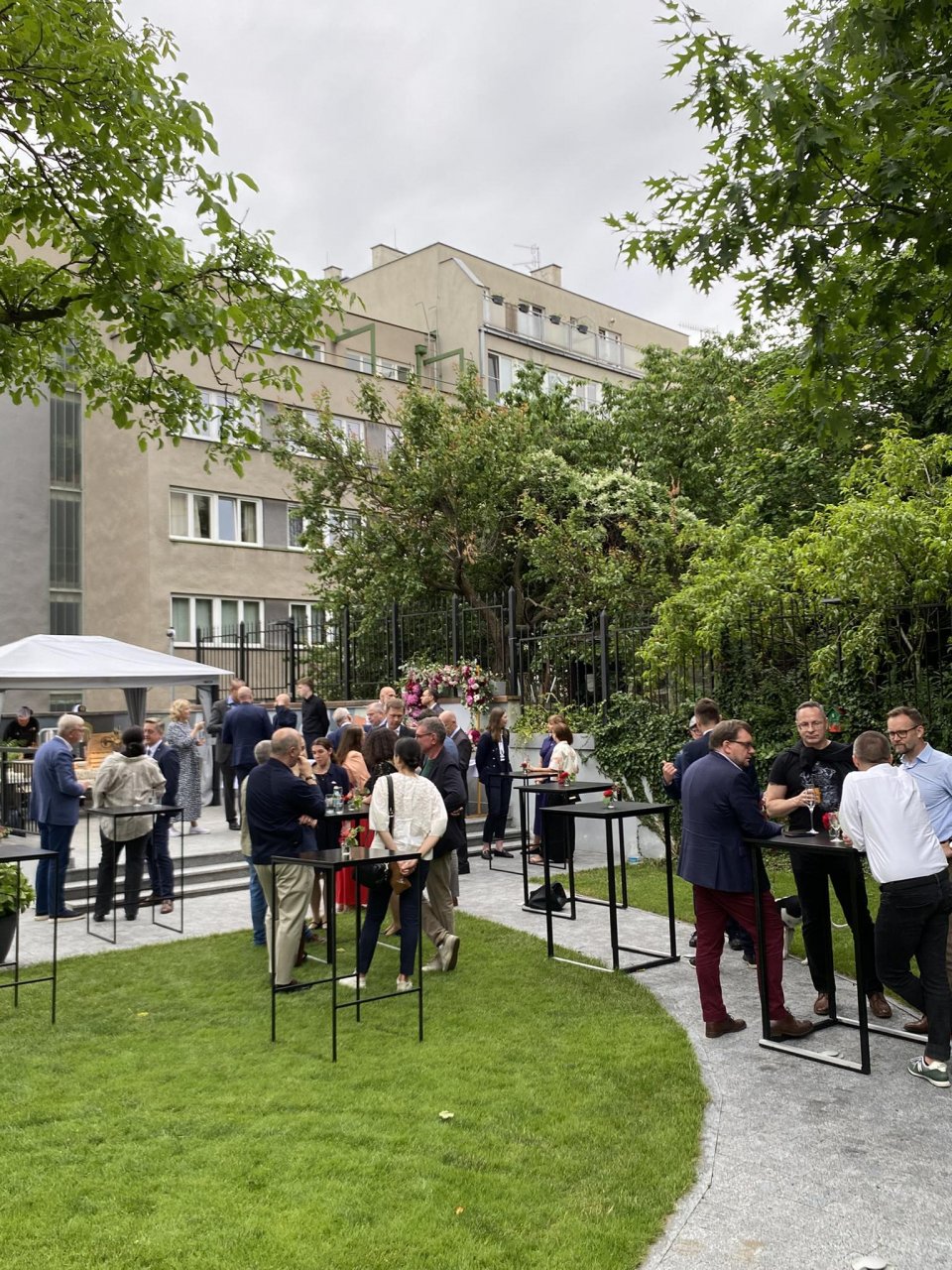
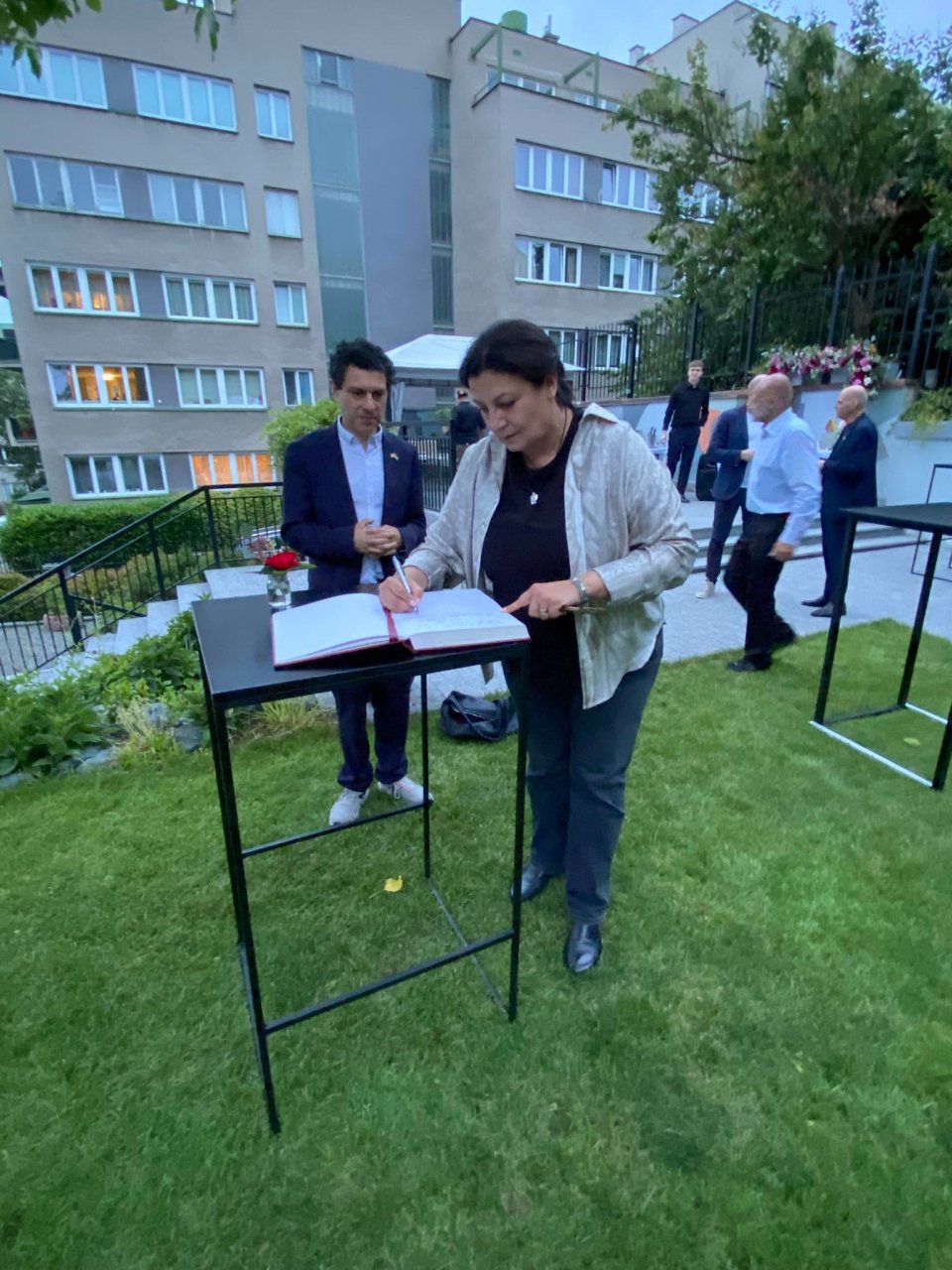

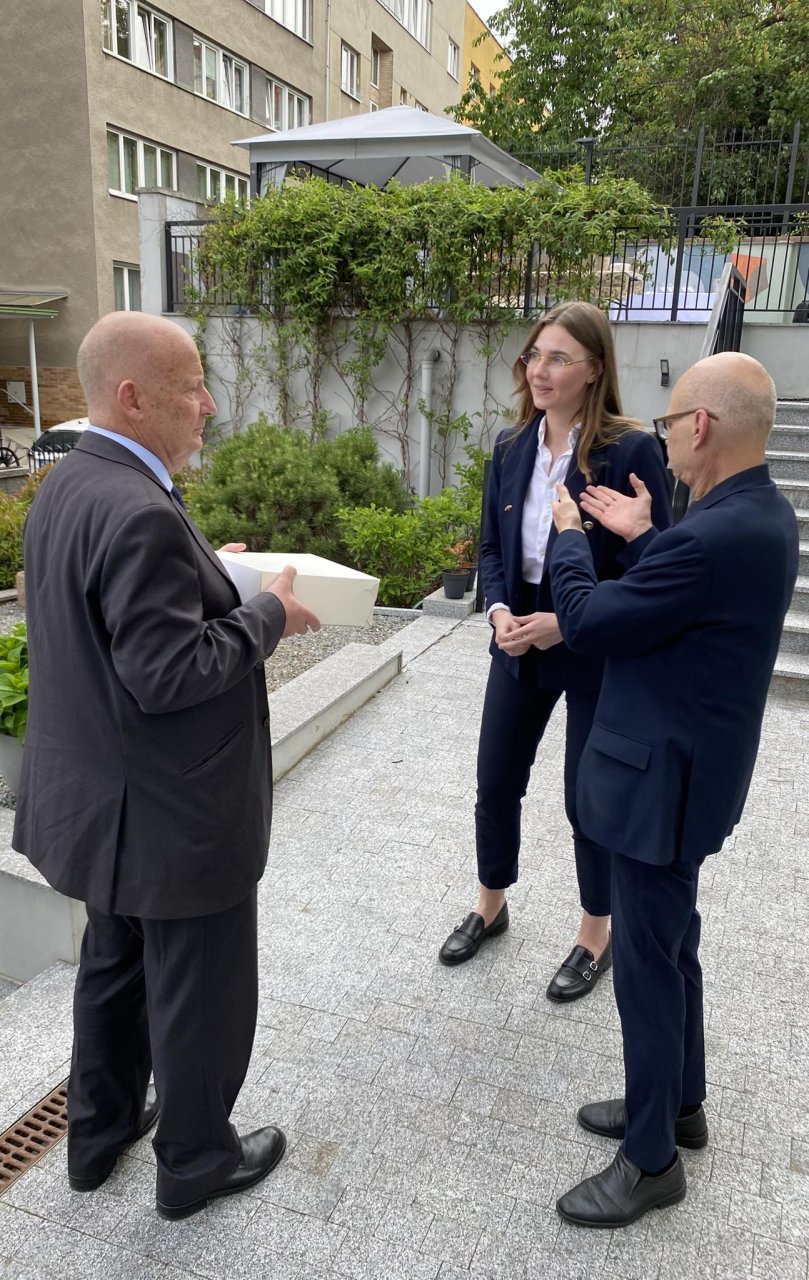
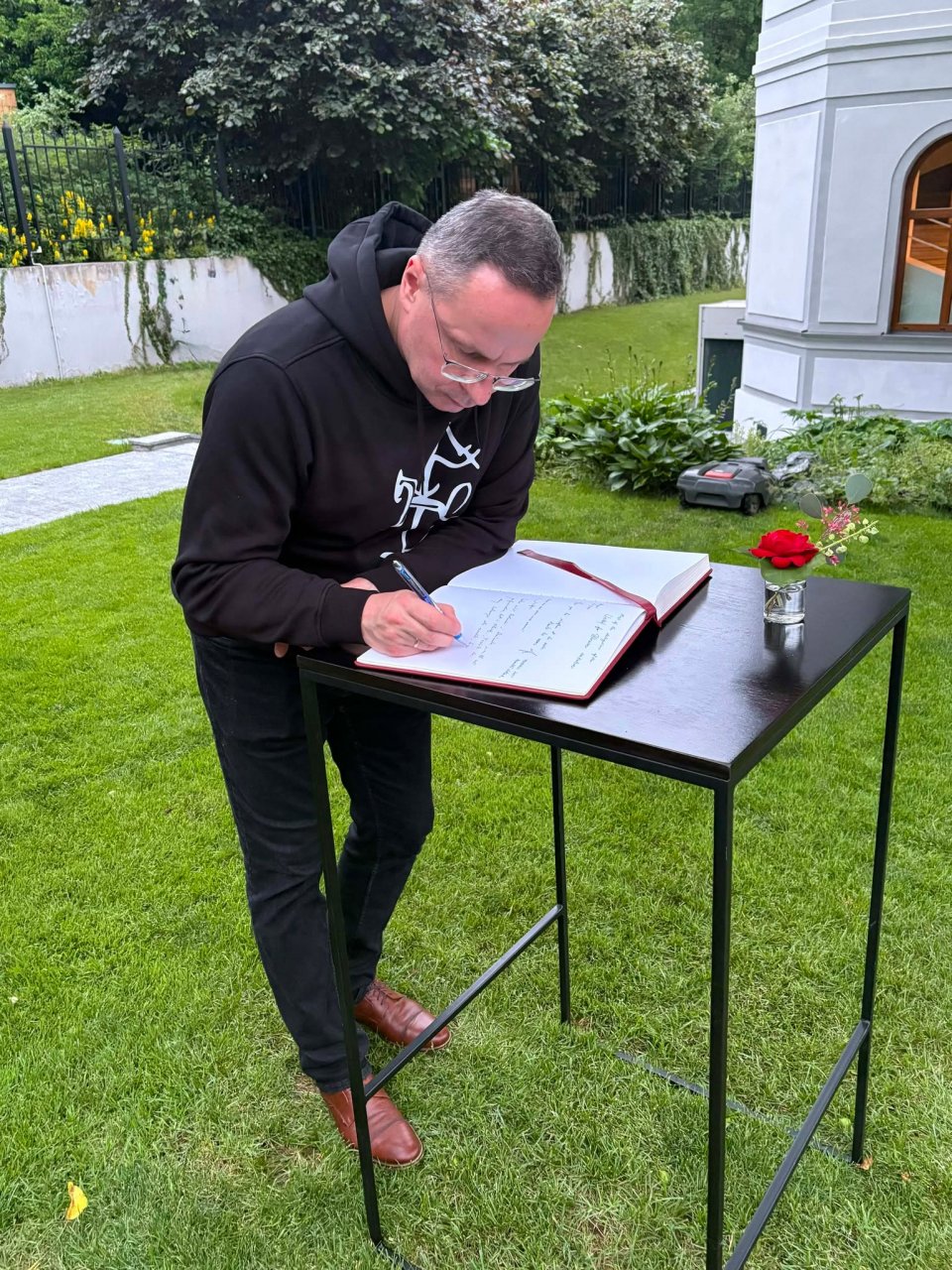
On June 4th, Lithuanian Embassy in Prague hosted members of the United for Ukraine initiative, which unites parliamentarians from various European countries, led by Žygimantas Pavilionis, a member of the Seimas of the Republic of Lithuania. The delegation arrived in Prague to meet with colleagues in the Senate and the House of Representatives of the Czech Parliament, as well as with representatives of the Government and the Presidency of the Czech Republic.
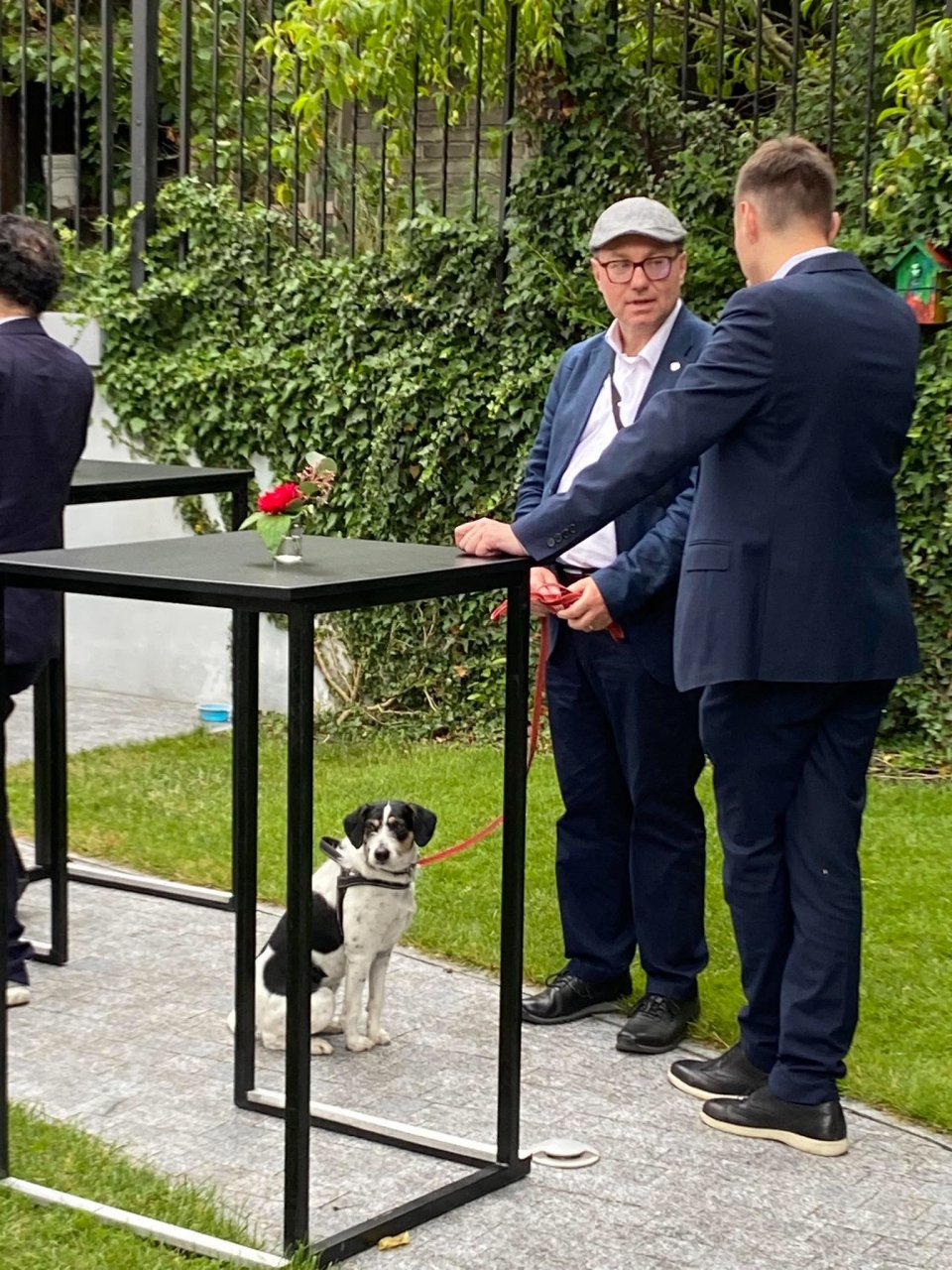
The parliamentarians from Lithuania, France, Germany, Sweden, Finland, the United Kingdom and Ukraine were invited to the embassy to talk with representatives of political institutes, non-governmental organizations, the media and the Prague diplomatic corps, as well as security experts.
The main theme of the evening, support for Ukraine defending itself from brutal Russian aggression, was extended and developed into a broader narrative: the fight against totalitarianism in the world and the preservation of the memory of the victims of totalitarian regimes.
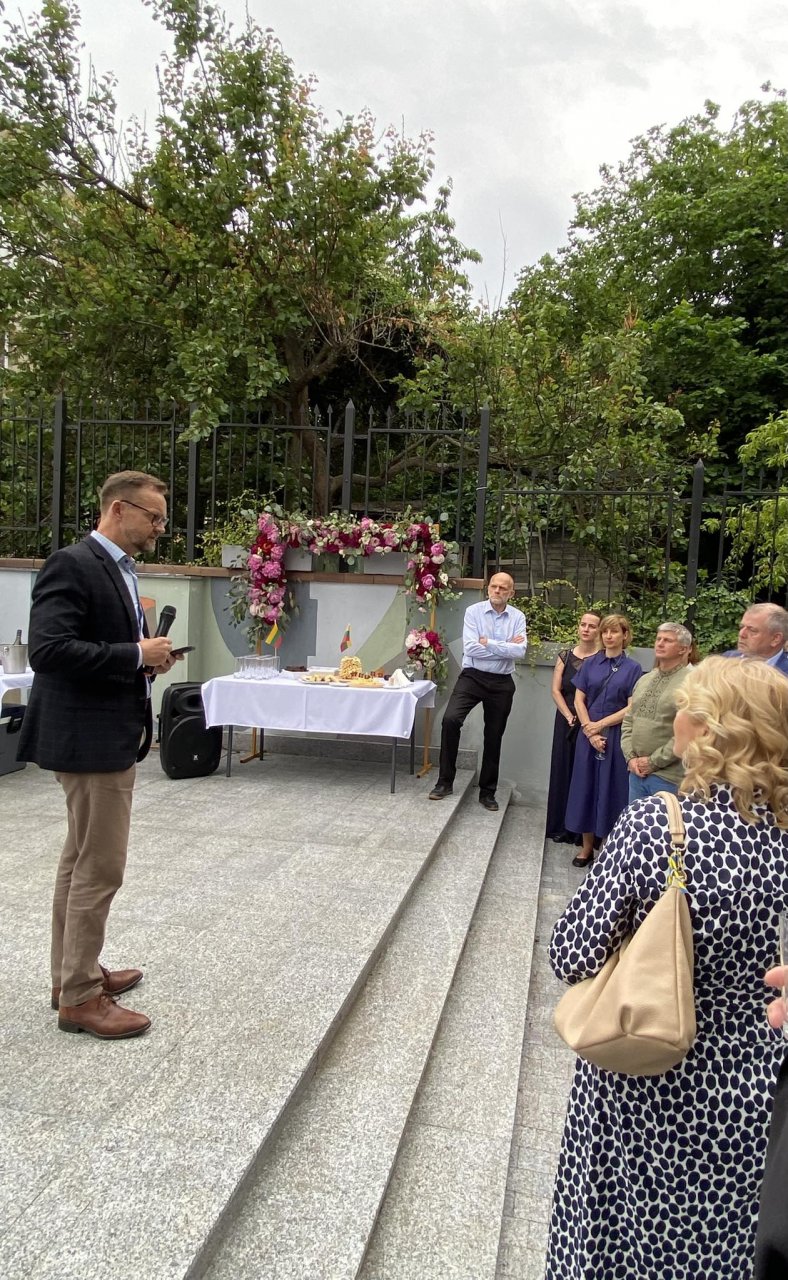
Ambassador Rolandas Kačinskas emphasized that historical memory is not just a matter of the past – it is an important part of European resilience, security and democracy. Assessing the crimes of totalitarian regimes and cherishing the memory of their victims helps to strengthen democratic values, resistance to disinformation and prevent the manipulation of history.
This topic is important not only for Lithuania and the Czech Republic, but also for other countries that have suffered from totalitarian regimes, whose history was marked by oppression and the fight for freedom. The issue of historical memory is closely related to the priorities of the Lithuanian Presidency of the Council of the European Union, therefore this topic will be one of the important directions of the presidency's agenda in 2027. A common understanding of the legacy of totalitarianism and the preservation of historical truth are important for achieving a stronger, more united and resilient Europe.


