


Film festival dedicated to alternative culture, showed “how we played the revolution” in Lithuania
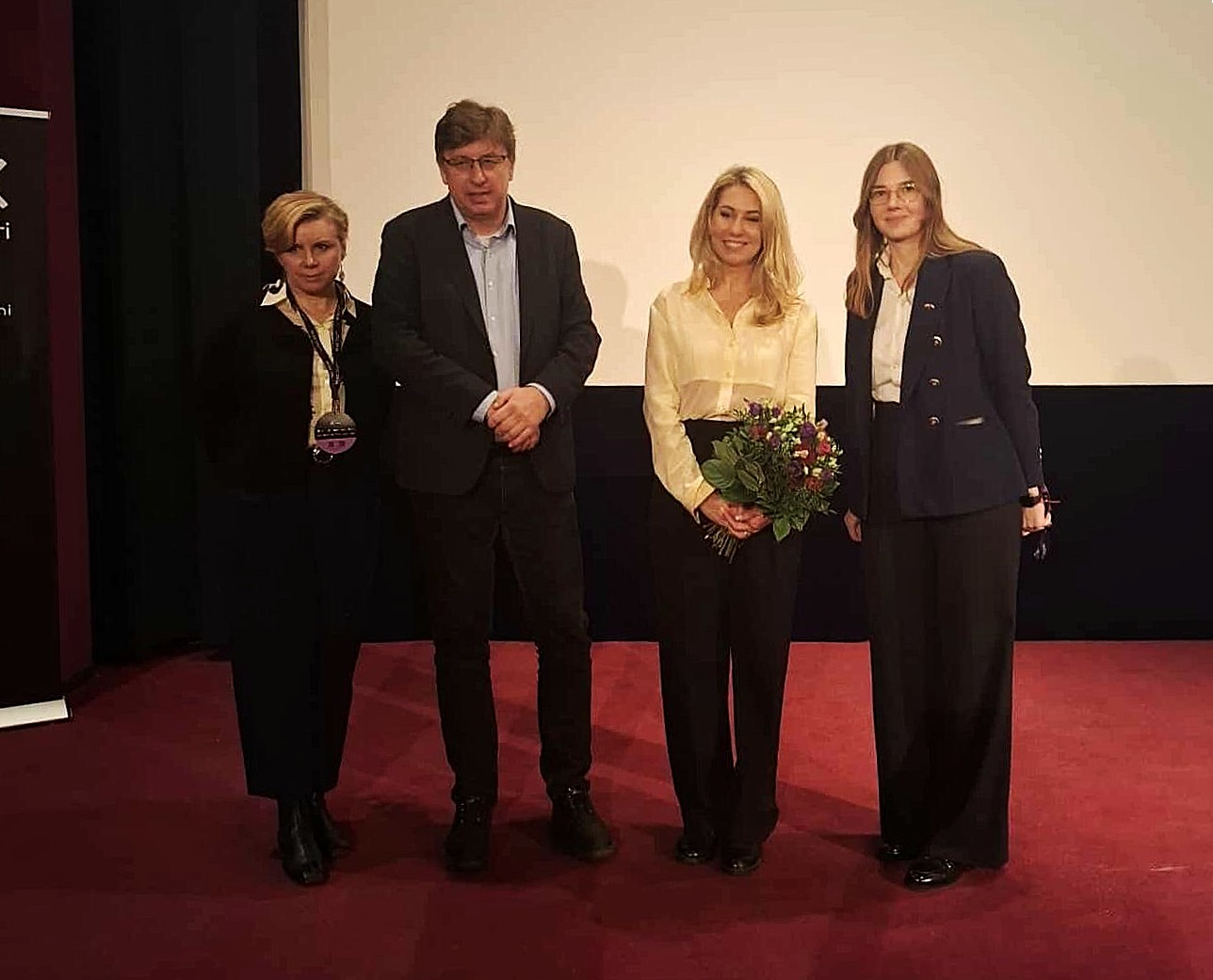
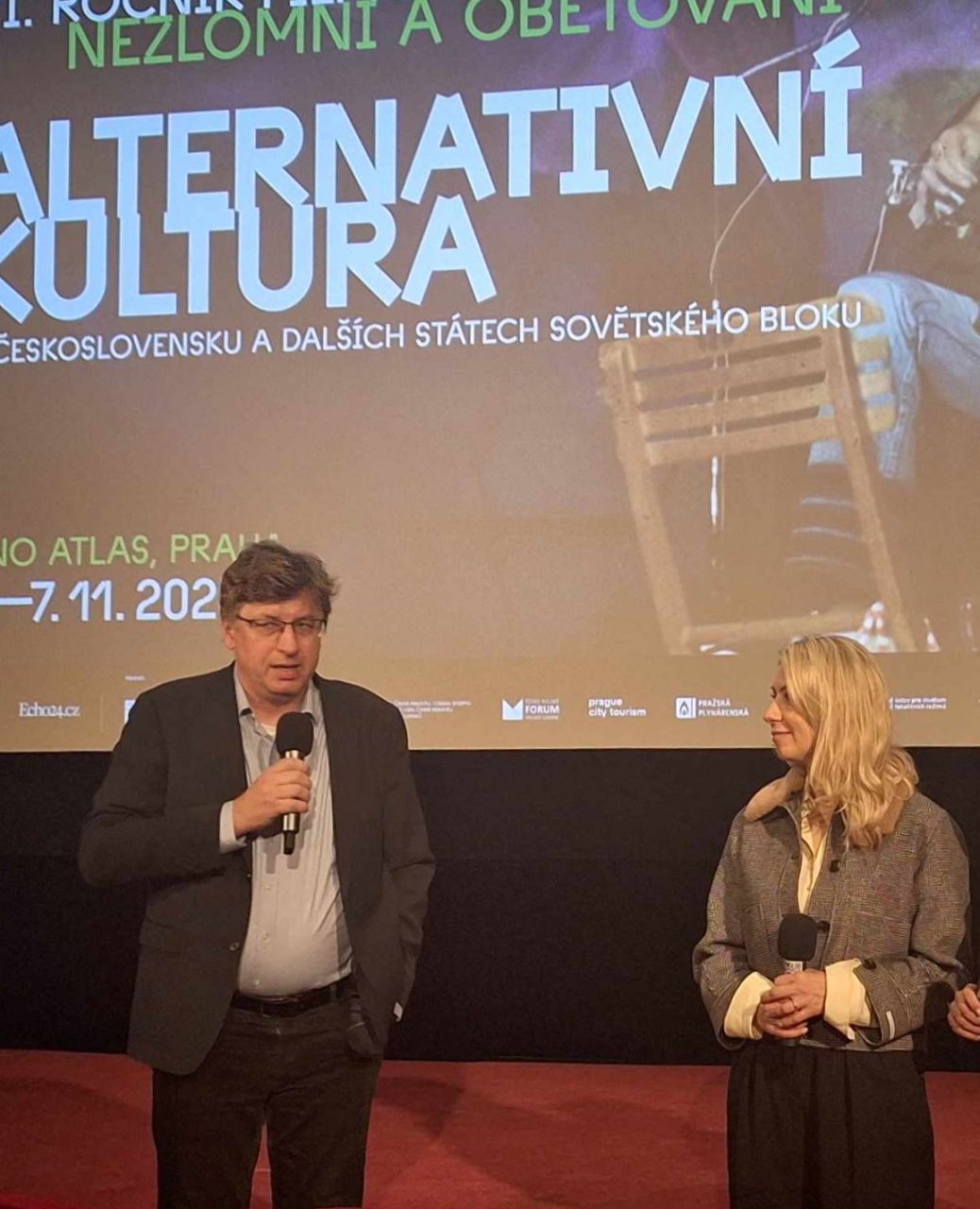
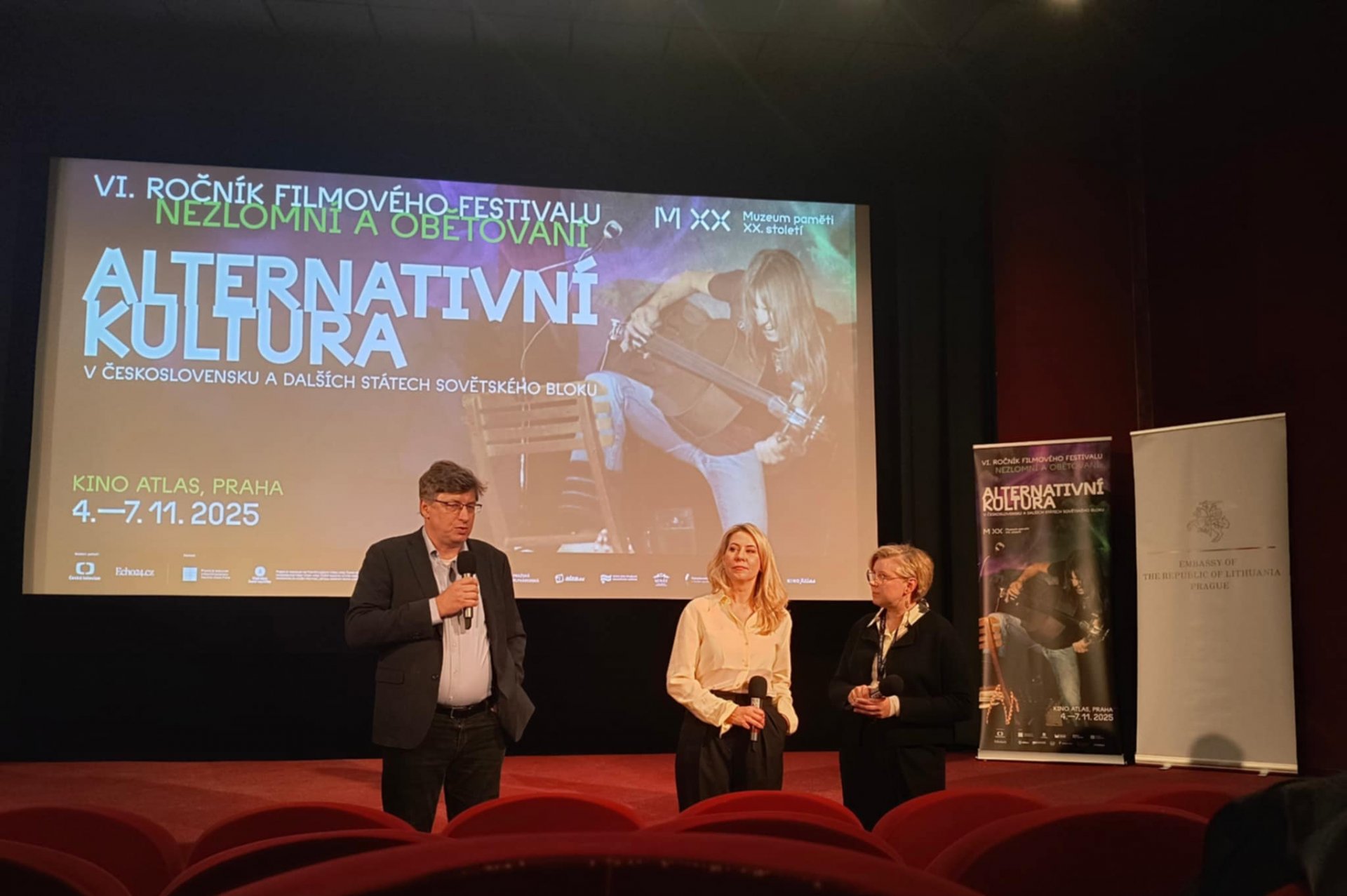
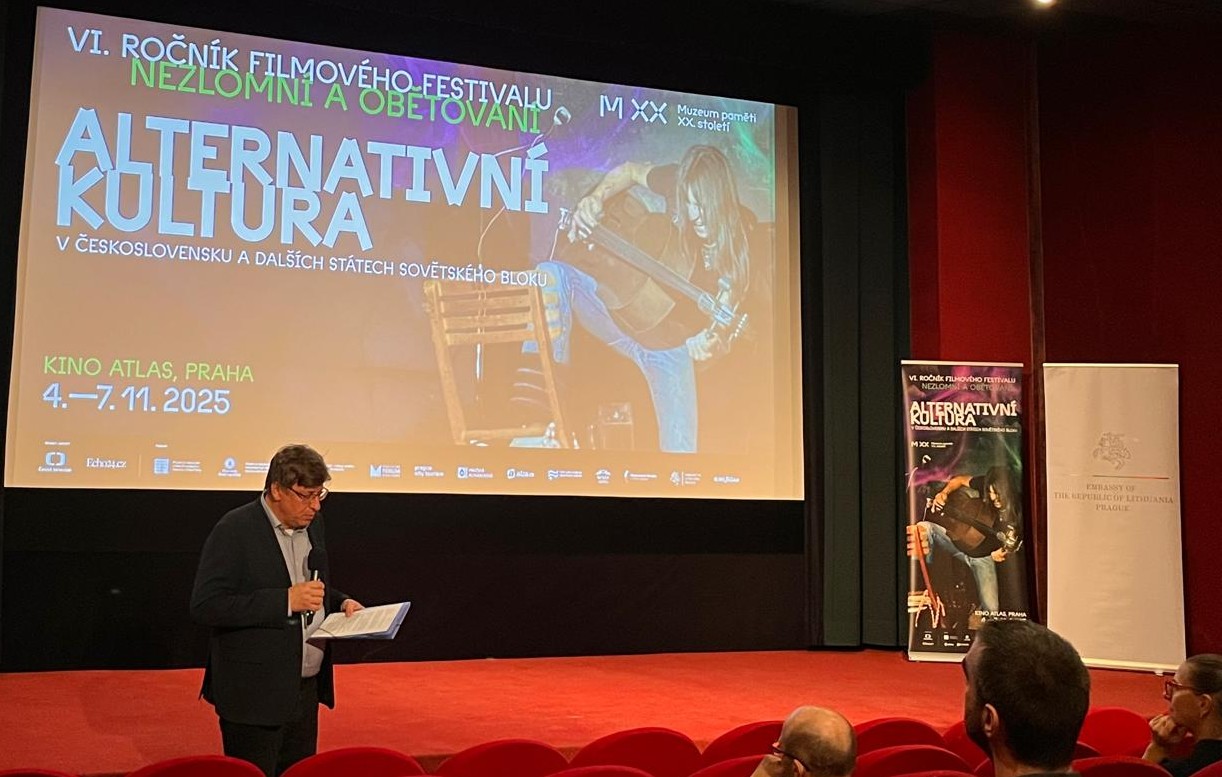
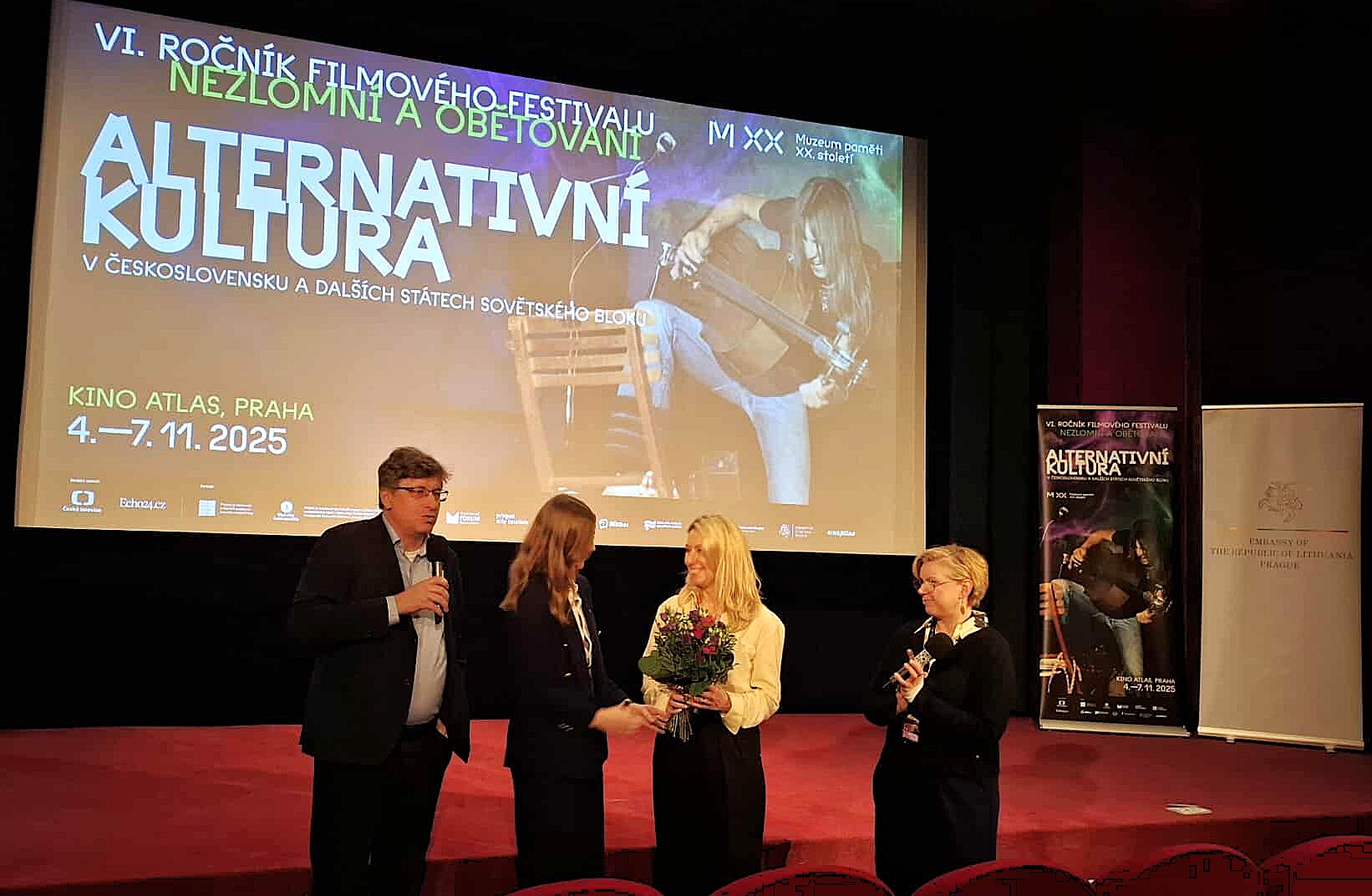
Yesterday, Lithuanian director Giedrė Žickytė's documentary film How We Played the Revolution was screened at the international film The Unbroken and the Sacrificed 2025 in Prague. After the screening, the director, who had been invited to Prague by the festival organizers, took part in a discussion with the audience, moderated by renowned historian Petr Blažek.
Žickytė urged viewers to view the film not only as a testimony to Lithuanian history, but also in the broader context of the contemporary geopolitical situation, emphasizing the importance of the cultural community's ideological attitudes and unity for the development of society.
The film, made in 2012 and showcasing authentic documentary material, tells the story of the Rock March through Lithuania and the role of the rock band Antis during the path to regaining independence of the state. It presents not only interesting facts about the early days of national Sąjūdis movement, but also their interpretation from the contemporary perspective of initiators, participants, and observers.
The film was selected based on this year's festival theme, Alternative Culture in Czechoslovakia and Other Former Soviet Block Countries, which explores manifestations of creativity and resistance in societies at that time.
Films by Lithuanian filmmakers have been participating in the festival, now in its sixth year, since 2022. Previous screenings have included such films as Mammoth Hunt (dir. A. Stonytė) about theater director Jonas Jurašas, and Kisses, Juozas (dir. A. Zalanskaitė), and "Ash Tree, Tiger and Flame (dir. E. Mildažytė).
This year's The Unbroken and the Sacrificed in Prague showcases the works of renowned Czech documentary and feature film makers, presenting famous underground artists and phenomena in the country. The festival also included films by directors from Germany, Poland, Hungary, the USA, Ukraine, Belarus, and Russia about alternative cultural events in various corners of the world, and held a competition screening of student works.
The main organizer of the festival is the Museum of 20th Century Memory. Some of the festival screenings are specifically designed for schoolchildren, and the event will culminate in a ceremony for the three main awards: Future of Memory, Guardian of Memory, and Creator of Memory.


