


A discussion with a Lithuanian-American author Rūta Šepetys held in Prague
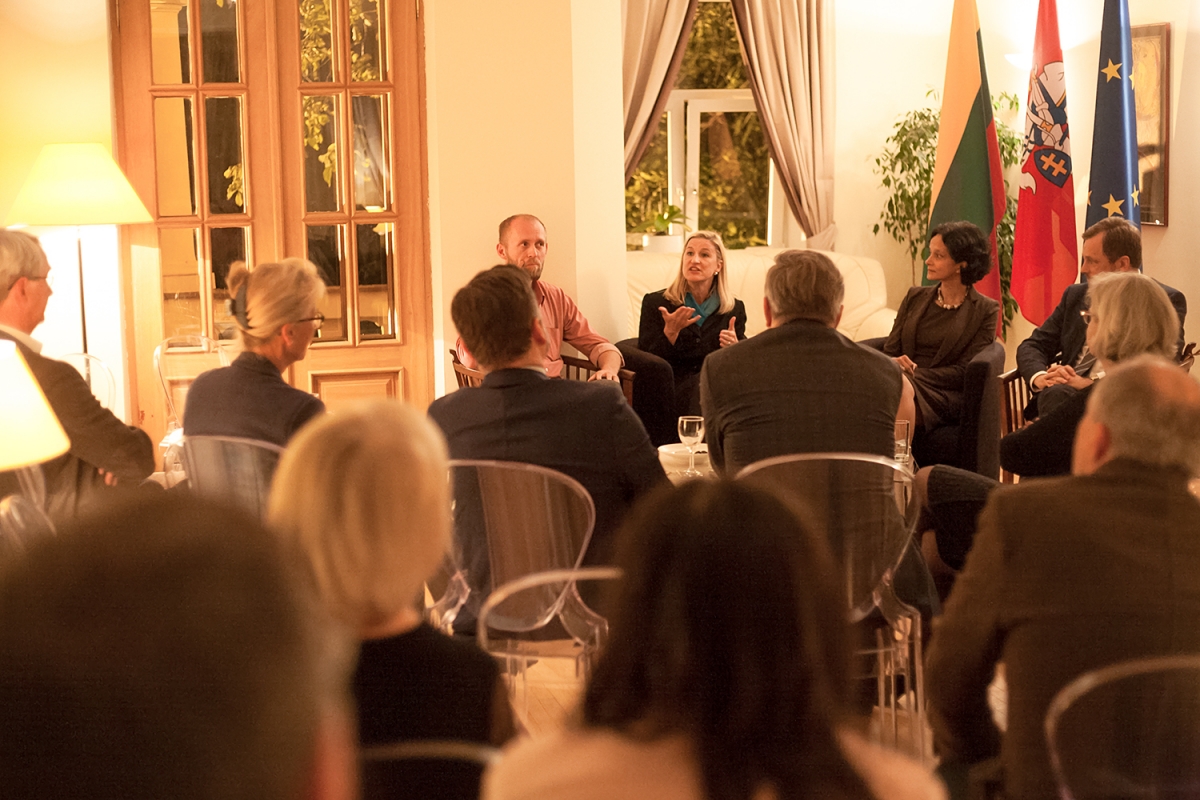
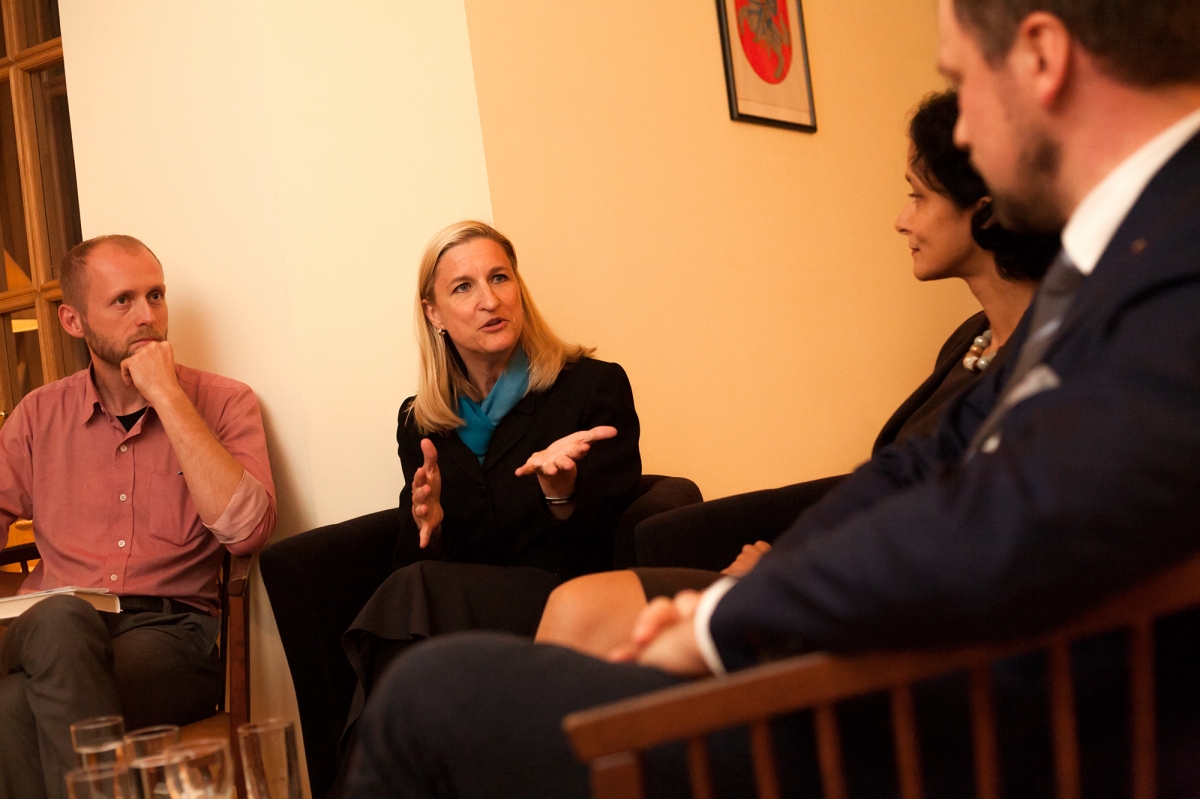
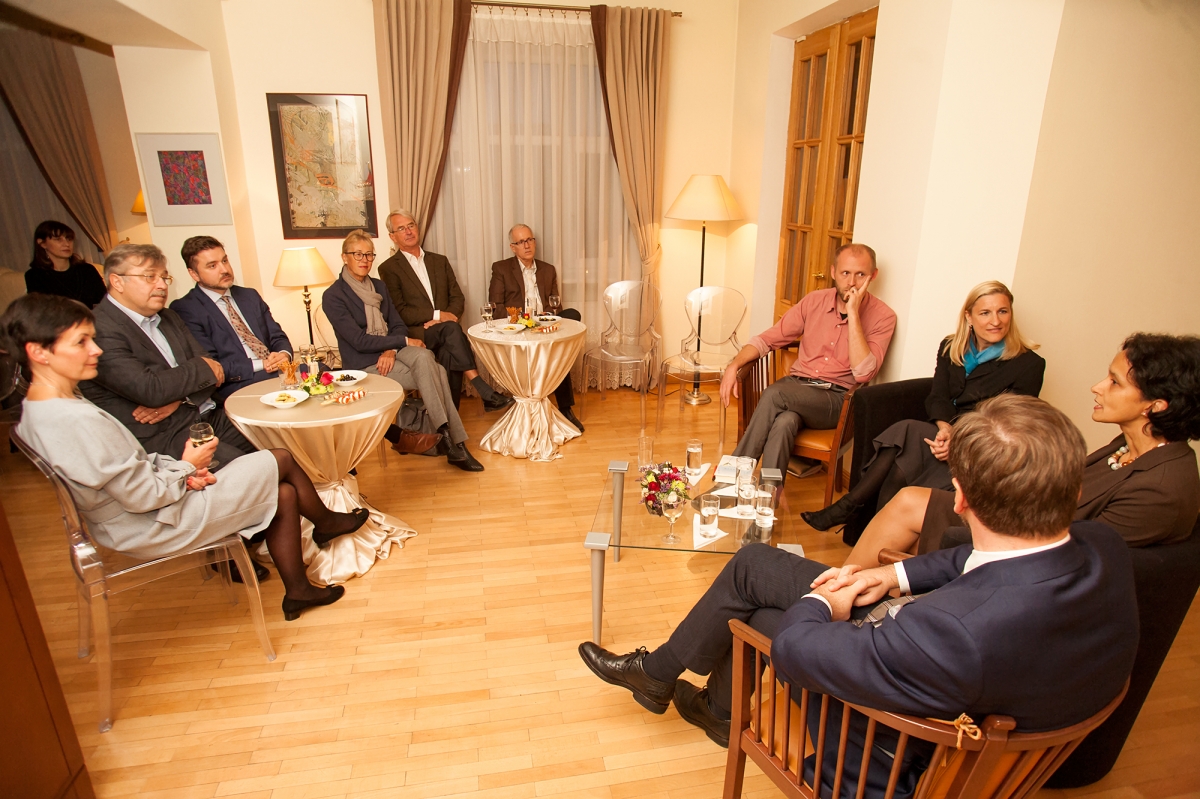
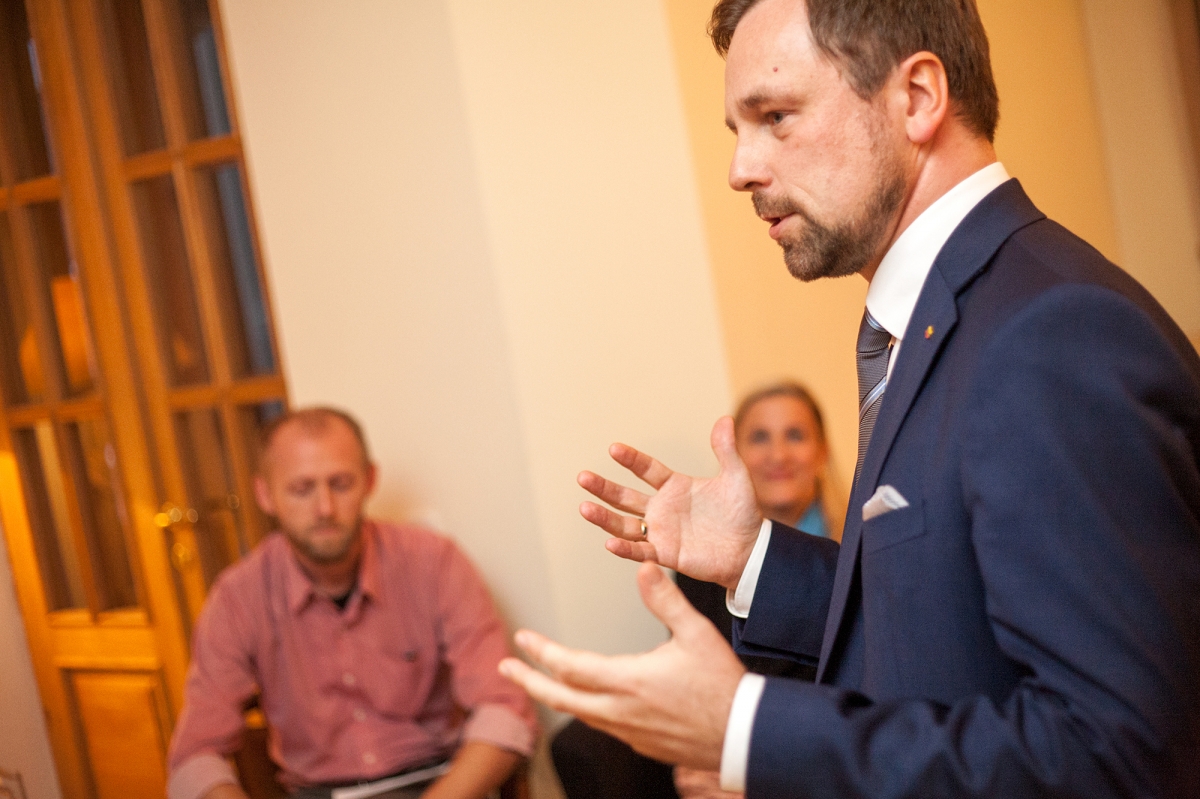
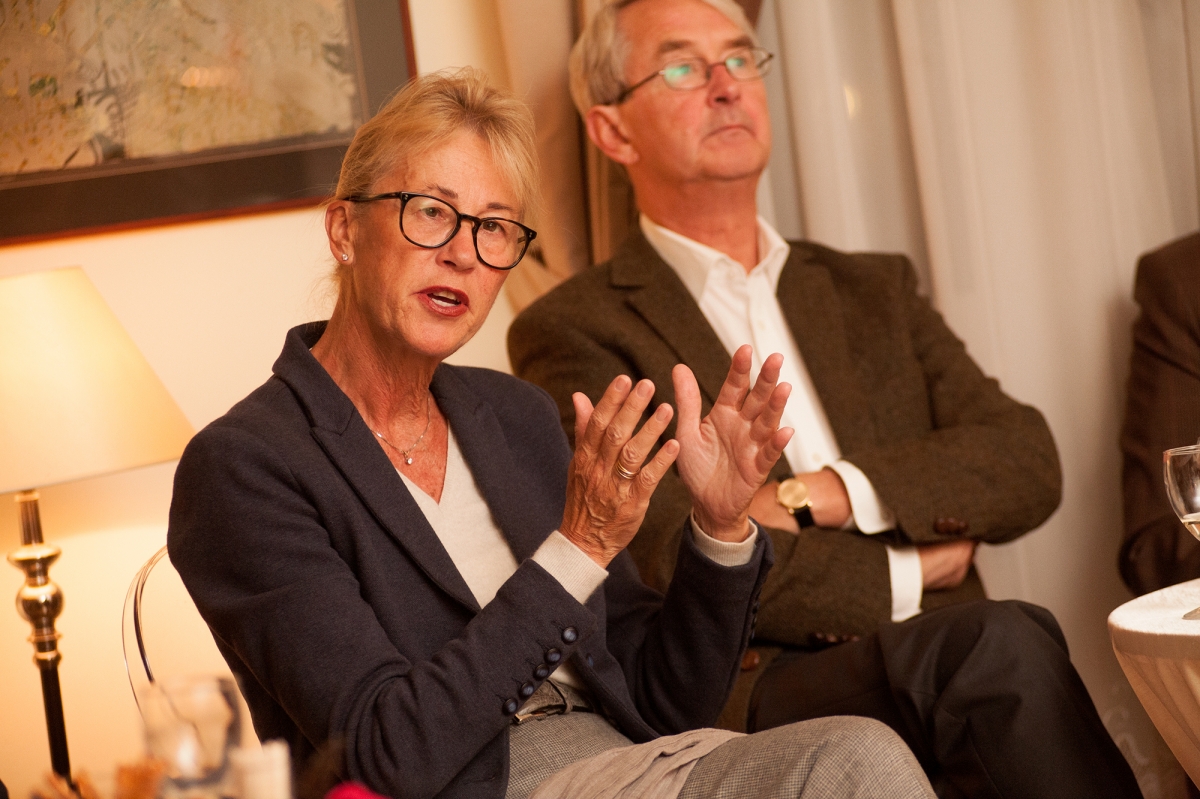
Oct. 13, Embassy of Lithuania held a discussion with Rūta Šepetys, an acclaimed author of Lithuanian origin, in an event that gathered members of the diplomatic corps, nongovernmental organizations, members of the academic community and journalist. The discussion, inspired by Rūta Šepetys’ internationally recognized novels, centered on the topic of the growth of confrontational politics in Europe and the world.
The Ambassador of Lithuania Edvilas Raudonikis welcomed the participants to share their opinions regarding the rise of the hostile attitudes in Europe that defy the essential values of human rights; the attitudes that in turn slowly, but assuredly crumble the democratic foundations of the western world. Does the growth of radical political movements signify that Europe failed to learn from the tragic events in its history?
The panelist Neela Winkelman, the Managing Director of the Platform of European Memory and Conscience, stressed that the current issues in Europe stem from the inability that some countries show in dealing with the consequences of their recent past, sparing the perpetrators of any ramifications and allowing them to grow in confidence, while at the same time, the European elite, is failing to sell the idea of a unified Europe to the public. One of the key strategies in dealing with this issue, Winkelmann added, is to focus on educating the youth and redesigning the methods we use to teach history by including those who witnessed the events firsthand.
Those personal stories, reshaped in the genre of fictional literature, are exactly what contributed to the recognition of Rūta Šepetys’ work. According to the author herself, such approach is a valuable tool in helping the audience, which mostly includes teenagers and young adults, to rediscover the facts that are fading out of history, and to interpret them emotionally, in turn, allowing them to create a personal picture of the historic events. In understanding someone else’s pain, the audience is learning empathy, which is greatly lacking in today’s inwardly faced society. The involvement of the younger audience, and at times of those older holding senior, respectable positions at their jobs, in reading those interpersonal stories, open doors to the changes within, which according to the author, is one way to fight the growth of dangerous, confrontational politics.
The discussion at the Embassy of Lithuania was organized in cooperation with the Platform of European Memory and Conscience and CEELI (Central and Eastern European Law Initiative ) in Prague. The discussion was moderated by Marek Svoboda, the Director of Programs at the CEELI institute.
During her visit to Prague, Rūta Šepetys will present her third novel “Salt to the Sea” that is already translated to the Czech language.


